
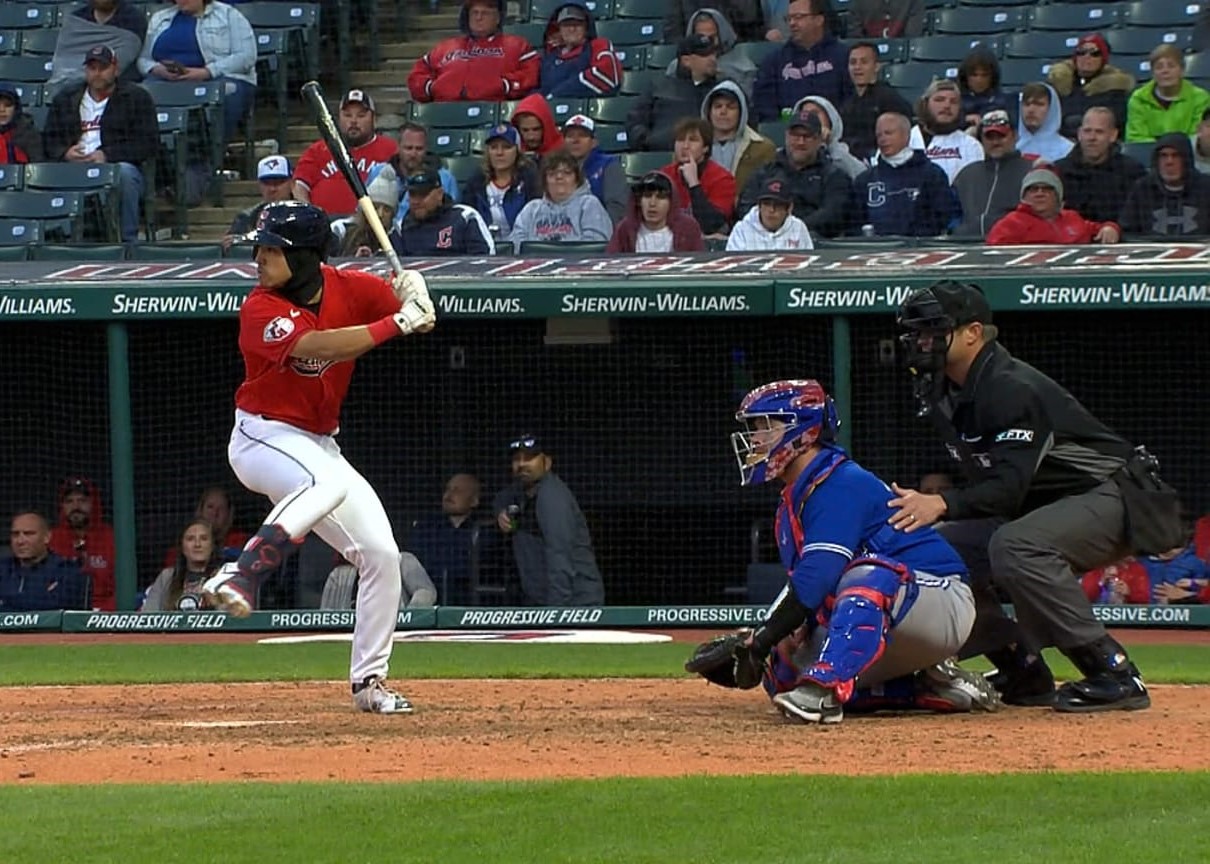
When Major League Baseball opened its 2026 season, it did more than introduce a new rule, it fundamentally altered one of the sport’s oldest and most debated elements: the strike zone. The implementation of the Automated Ball-Strike (ABS) challenge system, often dubbed “robot umpires,” represents a technological leap more than a century in the making, reshaping strategy, player evaluation, and even the emotional fabric of the game.
A Long Road to Automation
Arguments over balls and strikes are as old as baseball itself. From early mechanical experiments in the 1930s to the rise of Statcast and pitch-tracking systems in the 21st century, MLB has long sought a more objective strike zone. That pursuit culminated in 2026 with the league-wide adoption of ABS in a challenge-based format, rather than full automation.
The system had been tested extensively, first in independent leagues, then in Minor League Baseball beginning in 2019, and later in Triple-A and MLB spring training. By the time it reached the majors, many players were already familiar with its mechanics and limitations.
How the ABS System Works
Contrary to the popular image of fully automated officiating, MLB’s 2026 system keeps the human umpire behind the plate but gives players the power to challenge.
- Each team receives two challenges per game, retaining them if successful, with an extra in extra innings.
- Only the pitcher, catcher, or batter can initiate a challenge, typically within seconds of the call.
- The system uses Hawk-Eye tracking technology, with multiple cameras measuring pitch location to extreme precision.
- Decisions are rendered quickly, on average in about 13–14 seconds.
Perhaps most significantly, the strike zone itself is no longer interpretive. It is a fixed, rectangular zone, customized to each batter’s height and measured precisely before the season.
A New Strike Zone and New Outcomes
The ABS system doesn’t just enforce the strike zone it subtly redefines it.
Historically, umpires called a somewhat oval-shaped zone that expanded or shrank based on perception, framing, and context. Under ABS, the zone is strictly geometric and slightly smaller at the extremes.
This may have some has immediate consequences:
- Pitchers lose the “edge” calls…those borderline strikes just off the plate.
- Hitters gain consistency, particularly those who were previously squeezed by aggressive zones.
- The art of pitch framing is diminished.
Early data and projections suggest that players who thrived on umpire variability may regress, while those previously disadvantaged could see measurable gains.
Strategy Enters the Strike Zone
The challenge system introduces a new layer of in-game decision-making.
Teams must now decide:
- When to challenge (early vs. high-leverage moments)
- Who should initiate the challenge (pitcher vs. catcher vs. hitter)
- How to conserve challenges for critical at-bats
Spring training data showed players were far more likely to challenge in two-strike or full-count situations, underscoring the system’s strategic importance.
Some teams have already leaned into this treating challenge efficiency as a competitive edge in 2026.
Winners, Losers, and Adjustments
As with any rule change, ABS creates clear beneficiaries and casualties. Players like Guardians, Steven Kwan, are expected to benefit from the new system. Despite Kwan’s extraordinary plate discipline he has one of the highest rates of “out-of-zone” pitches called strikes.
Likely Winners
- Disciplined hitters who rely on zone control
- Pitchers with elite command inside the zone
- Teams with strong data and video departments
Likely Losers
- Pitchers who relied on borderline strike calls
- Catchers known primarily for framing ability
- Umpires whose influence over the game is reduced
The Human Element Isn’t Gone
Despite the technological shift, baseball’s emotional core remains intact. Managers still argue. Players still react. And ejections haven’t disappeared entirely—because challenges are limited, and not every disputed call can be reviewed.
In fact, the tension may have simply shifted from arguing whether a call was right to debating whether a challenge should have been used.
Why MLB Chose a Hybrid Model
One of the most revealing aspects of ABS is what it is not.
MLB tested a fully automated strike zone, but rejected it after feedback indicated it:
- Slowed the pace of play
- Increased walks
- Removed too much nuance from the game
Instead, the challenge system strikes a balance:
- Accuracy when it matters most
- Human judgment for the majority of pitches
This compromise reflects MLB’s broader philosophy in recent years embracing technology without fully abandoning tradition.
The Bigger Picture: Baseball’s Tech Evolution
ABS is part of a larger trend in baseball’s modernization, alongside:
- Instant replay expansion
- Pitch clocks
- Defensive shift restrictions
Each change aims to improve fairness, pace, and entertainment value while preserving the sport’s identity.
The strike zone, once the most subjective element in baseball, is now one of its most measurable. And yet, paradoxically, the game remains as unpredictable and as human as ever.
A Defining Shift for the Modern Game
The introduction of the ABS challenge system in 2026 marks one of the most significant rule changes in MLB history. It transforms not just how balls and strikes are called, but how players prepare, how teams strategize, and how fans experience the game.
Baseball has always lived in the tension between tradition and innovation. With ABS, that tension hasn’t disappeared it’s simply moved into a new, digital dimension.
And for a sport built on inches, milliseconds, and judgment calls, that may change everything.





Recent Comments